

Imagine knowing exactly what your audience is thinking—what they’re curious about, when their interest peaks, and how that curiosity shifts over time. That’s what Google Trends offers. It’s not just a tool for data geeks; it’s a quiet powerhouse for anyone trying to get ahead in digital marketing.
If you’re building an online presence or managing SEO for others, understanding Google Trends can help you shape content that truly resonates. And if you happen to run or work with a top SEO agency in USA, you’ll know how much timing and relevance matter.
Let’s walk through how to use Google Trends the right way—no fluff, no filler. Just smart, practical steps.
What Makes Google Trends Worth Your Time?
At first glance, Google Trends might not seem that groundbreaking. It shows how interest in a specific topic has changed over time, scaled from 0 to 100. Simple enough.
But here’s what makes it powerful:
- You get real-time search behavior insights
- You can see how trends vary by location
- You can uncover rising topics before they go mainstream
- It’s entirely free and incredibly user-friendly
Whether you’re planning content, launching a campaign, or deciding on keywords, this tool gives you context—and context leads to better decisions.
Step-by-Step: Using Google Trends for Better SEO
Start with the Basics
Enter a search term that reflects your business or niche. For example, if your work revolves around SEO services, start with terms like SEO strategy or search engine optimization.
From there, Google Trends shows you how interest in that topic has shifted over time. You’ll see peaks, dips, and everything in between.
Now pause. Look at the shape of the curve. Are there clear seasonal spikes? Is interest rising, falling, or staying steady? That alone can tell you a lot.
Explore Related Topics (This Is Where the Magic Happens)
Once you scroll down, you’ll find sections labeled Related Topics and Related Queries. This is your idea bank.
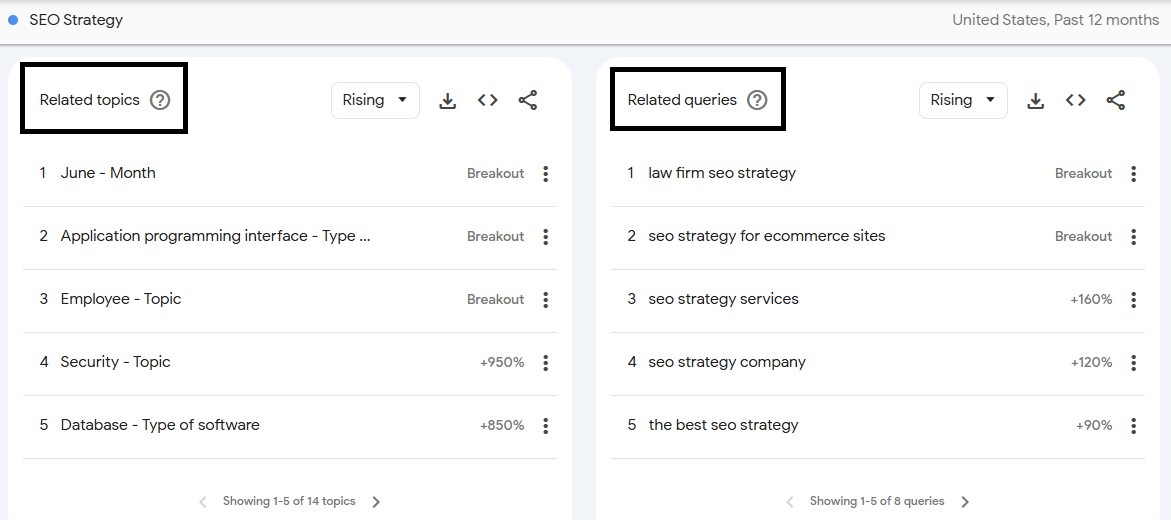
These related searches often point toward questions your audience is already asking. Maybe they’re curious about SEO tools, local optimization, or how long it takes to see results.
Instead of guessing what to write next, you now have direction.
At Ranknality, we’ve used this method to develop blog series, tweak service page content, and even script social media videos. It keeps our voice in tune with what people actually want to know.
Compare Multiple Keywords (Not All Searches Are Created Equal)
Let’s say you’re deciding between SEO services, SEO consultant, and digital marketing agency. Type all three into Google Trends and compare them side by side.
You’ll get a visual representation of which term consistently attracts more interest—and which ones might be fizzling out. Sometimes, the result is surprising.
This helps prioritize which phrases deserve more focus in your strategy, especially for page titles, headings, and paid campaigns.
Plan Around Seasonal Interest
Certain keywords spike at specific times of the year. For example, businesses might look for SEO help at the end of Q1 and Q4 when budgets open up.
If you’re running content for an SEO company, publishing a detailed buyer’s guide in late February or early December makes far more sense than doing it in July.
Look at the trendlines for your top services and plan your editorial calendar accordingly. It’s about showing up just before people go looking.
Use Location Data to Find Gaps
Google Trends shows which states or cities have the most interest in your topic. If you notice high search interest in Texas but low competition there, that’s a good place to focus your next campaign.
Create a location-targeted landing page. Write blog posts with regional relevance. Run a localized ad test.
At Ranknality, we’ve done this more than once. The result? Better conversion rates and more qualified leads, because the message fits the moment.
Watch for Rising Queries
If you scroll through the Rising section of related searches, you’ll see keywords gaining traction. These are often newer, less competitive terms that haven’t been overdone.
Catching them early gives you the chance to rank before the crowd catches on.
For example, if “AI SEO tools” suddenly starts trending, write about it now. Don’t wait for it to become saturated six months later.
Apply It Beyond Blogging
Google Trends isn’t just for planning articles. Use it to:
- Shape your social media strategy (short videos based on trending questions)
- Refine YouTube content ideas
- Test angles for email campaigns
- Time press releases or product launches
It’s one of the rare tools that’s as useful to creators as it is to analysts.
A Practical Example from Ranknality
Let’s say we notice a spike in searches like “SEO company in USA” around late September. That usually means businesses are gearing up for year-end campaigns and looking for the right marketing partners.
In that case, we’d time our content to match that demand—maybe a blog like “How to Choose the Right SEO Partner Before Q4 Closes,” paired with a short video or checklist. By aligning content with real-time interest, we’re not just publishing—we’re showing up when it matters most.
That kind of timing can make all the difference in turning clicks into conversations.
Keep in Mind…
- Google Trends shows relative interest—not exact search volume. Always cross-reference with other keyword tools for fuller data.
- A trending term isn’t always worth chasing. Some spikes are driven by news or fads and fade quickly.
- Regional trends matter. What’s hot in one state may not even register in another.
- You don’t need to publish weekly. One or two well-timed, data-informed pieces can outperform a dozen generic ones.
Closing Thoughts
Google Trends doesn’t just hand you the answers. It gives you the questions people are already asking—the ones worth answering.
If you care about creating content that actually connects—or if you want to time your services just right—it’s one of the best free tools available.
We use Google Trends not just to keep up with the game, but to stay one step ahead. Whether you’re a small business owner or part of an experienced SEO company, this kind of insight can set you apart.
Want help putting these insights into action?
Let Ranknality show you how to turn trends into traction. Reach out today for a free SEO opportunity session built around real search behavior.




 1800 W Hawthorne Ln STE Q1, West Chicago, IL 60185